Showing posts with label baking with julia. Show all posts

Tuesday, March 5, 2013

Croissants for Tuesdays with Dorie

Croissants made from a recipe in Baking with Julia.

The first time I ever baked croissants created a bit of giddy delight, not unlike when you meet someone famous and you realize this famous person looks in real life just as he or she does on TV or in photographs. And even though the encounter is very real, you still can’t believe the two of you are standing there.

To think I’d made a pastry that seemed so elusive and unattainable was immensely satisfying. I had the same feeling this time round as I baked croissants for Tuesdays with Dorie.

I used two rolling pins for this project.

I wouldn’t call the recipe particularly complicated. It just involves some time and planning — the repeated rolling and folding over several installments. I prepared the dough on Friday afternoon, resumed Saturday night and finished on Sunday. If you’ve ever made puff pastry from scratch, the process of turning and folding and rolling will be familiar. There’s no other way to create those butter laden layers of goodness.

Croissants also require elbow grease and I have great admiration for professional bakers who make them by hand every single day. Rolling the dough took effort, and I was a bit sore in my trapezius muscles. But that’s OK, because any calories burned in preparing croissants will quickly be erased when eating them.

A little word on rolling pins: I love my wooden French style pin because it’s lightweight and simple. It was perfect for whacking the dough in stage one, when the slab of butter is first enclosed with dough and you need to flatten the package. For rolling, however, German engineering wins every time. My stainless steel pin is heavy and, because it’s stainless steel, remains a bit on the cool side. The heft is what you need for extending an 8 x 14 piece of dough into 14 x 24 dimensions. And you need some patience to realize that if you keep working at it, the dough will indeed submit.

Croissants ready for baking.

If you have always wanted to bake something as ambitious as croissants, do give it a try. Whatever it is, don’t be intimidated. Grab your rolling pin, follow the directions and you’ll be rewarded.

I’m one of many bloggers who are cooking their way through Baking with Julia as part of Tuesdays with Dorie. Get today’s croissant recipe at Amanda’s blog, Girl+Food=Love. Visit the TWD site to see links to the other participating bloggers.



Tuesday, February 19, 2013

Boca Negra for Tuesdays with Dorie

Lora Brody’s Boca Negra

I met Lora Brody, the author of today’s recipe, some 20 years ago in Columbus, OH. She was a visiting guest at La Belle Pomme Cooking School, a delightful place that was run by the food writer, author and recipe developer Betty Rosbottom (whose newspaper columns and  Bon Appetit features I have long enjoyed).

A chocolate-loving friend had shared her copy of Lora Brody’s book Growing Up on the Chocolate Diet: A Memoir with Recipes. Hers was the first food memoir I’d ever read and it was quite a revelation. And it was inspiring because I had begun writing about food for a local magazine. I loved and still enjoy Brody’s witty and honest reflections on family traditions, dinner party anxieties and chocolate.

At the book-signing, Brody asked what all I’d cooked and I told her how much I had enjoyed the Trianon, a hard-won recipe that she landed after many years of searching,  experimentation and networking. She responded approvingly and said, “Have you had the Black Beast? Make that.” She nodded as if dispensing secret code.

I did prepare the Bête Noire and it became a signature dessert, particularly among a certain group of friends. It was a flourless chocolate cake before flourless cake fame. This is Chocolate As Drug because — if you pay attention — you might feel a happy jolt to the brain after  the first bite. I frequently made this in the mornings before work — often before breakfast, even — so you can imagine the chocolate and caffeine rush from a few licks of the spoon.

The reason I’m telling you all this is that that the Black Beast is akin to the Boca Negra. The Boca Negra adds a smidgen of flour and substitutes bourbon for some of the water. Both recipes call for a fair amount of chocolate, which is probably why I get nervous when my chocolate supply dips below one couple pounds. This recipe was a pleasure to bake because it was like visiting an old friend.

Just to be different, I baked the Boca Negra in small ramekins rather than one large pan. The white chocolate ganache I prepared a little more thinly using half-and-half and drizzled it over the top of the cake.

If you’d like to see the recipe for  Boca Negra from the book Baking with Julia, hop over to today’s host, A Frederick Food Garden. To see what other Tuesday with Dorie bloggers have to say, visit here.


Tuesday, May 1, 2012

TWD From Baking with Julia: Hungarian Shortbread with Cherry Preserves

Hungarian Shortbread from the book Baking with Julia
A few years ago, one of my husband’s many cousins — this one on his mother’s side of the family — discovered Great Grandfather’s naturalization papers in an attic trunk. The paper suggested their lineage was Hungarian — not the Slovak they’d always believed.

This caused some vexation over which side to choose.

“We don’t know it’s accurate,” my husband said of the artifact. “People who came through Ellis Island had all kinds of crazy things written on their papers.”

Indeed. We’re pretty sure my husband’s paternal great-grandfather’s Italian surname was considerably longer when he arrived at Ellis Island.

My mother-in-law, for one, does not accept the Hungarian designation. She was told her grandfather was Slovak and that’s how it will remain.

As for this Hungarian Shortbread, well, I suppose it could be Slovak. It doesn’t matter.

All that matters is that butter, sugar and flour bake up into something good, and if you spread a little jam between the layers, so much the better.

This layered shortbread is a recipe from the pastry chef Gayle Gand which appears in Baking with Julia. The recipe directs you to handle the often sticky shortbread dough by freezing it first. Freeze it, then grate it into the pan. Brilliant.

I’ve used this technique to grate butter into flour for making biscuits and pie crusts, but would never have thought to try it here.

This is a flexible recipe that can accommodate a baker’s busy schedule.

Being in somewhat of a hurry (and also being short on butter), I made one quarter of the recipe. The ingredients are easily adjusted into fourths. I used white whole wheat flour, which made me feel healthier, and half raw cane sugar, which contributed a richer flavor.

It’s worth mentioning that I accidentally melted the butter instead of softening it. It wasn’t a problem, especially as the dough was going to be frozen.

Sadly, I did not get to prepare the rhubarb jam called for in the original recipe. Instead, I used a jar of commercially prepared tart cherry preserves, which were a good foil for the sweet dough.

Instead of baking in a sheet pan, I used my mini muffin tin. I put a layer of grated dough in each section, then spooned a small amount of preserves before sprinkling on the final layer of shortbread dough.

Into the oven and out in short order.

Today’s Hungarian Shortbread recipe is being hosted by Lynette of One Small Kitchen and by Cher at The Not So Exciting Adventures of a Dabbler. Visit their blogs to get the recipe. And while you’re at it, take a look at other Tuesdays with Dorie bloggers.

Tuesday, April 17, 2012

TWD: Lemon Loaf Cake from Baking with Julia


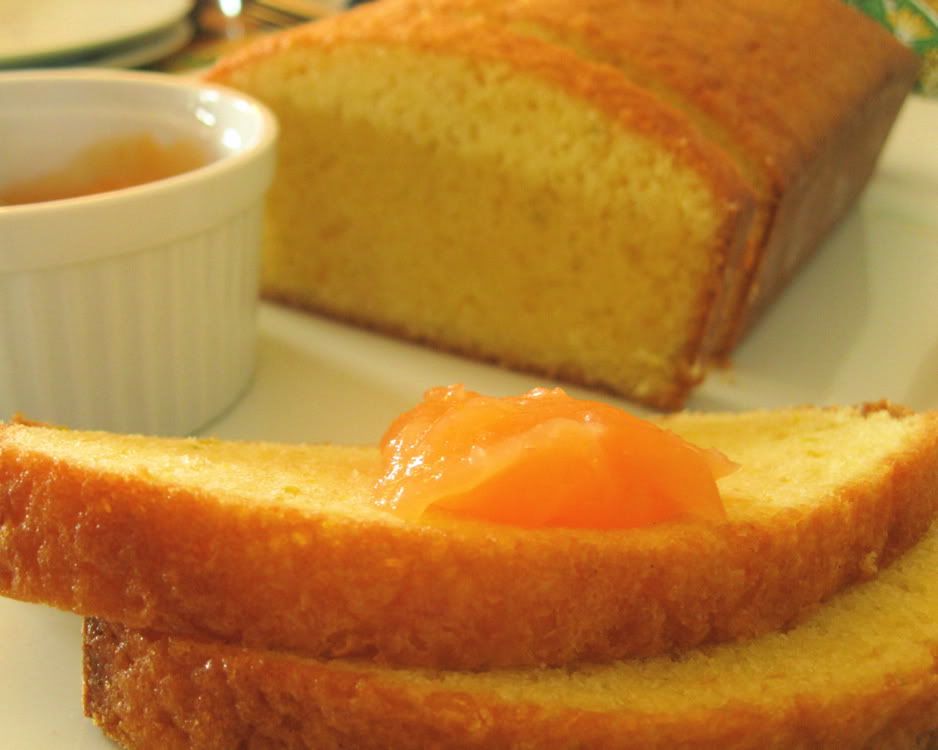
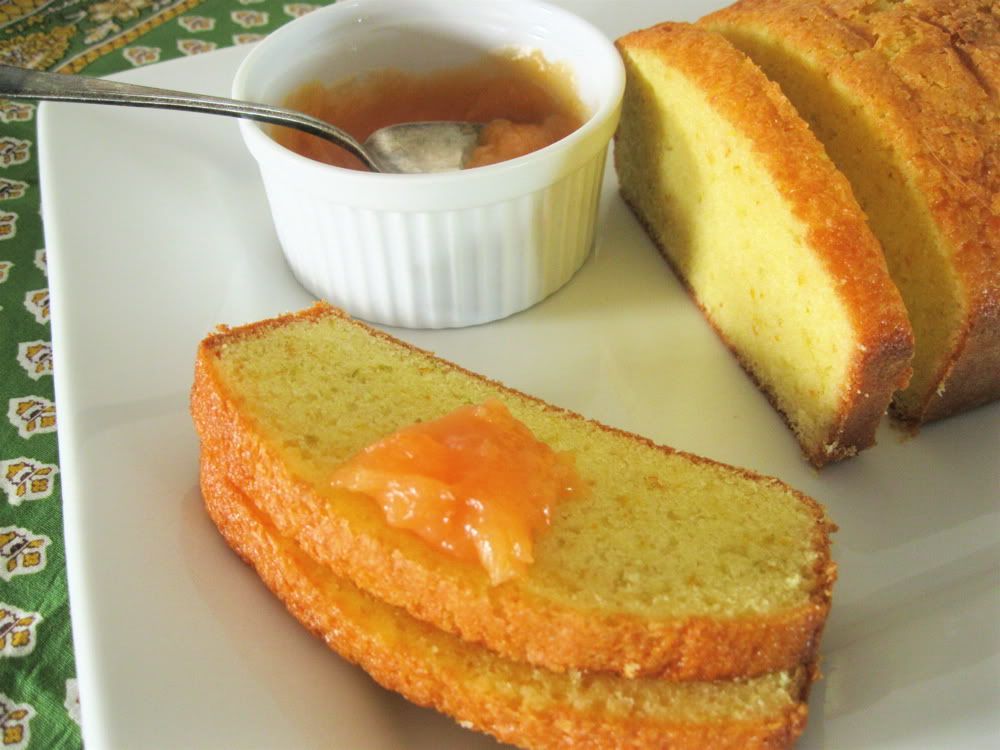
Lemon Loaf Cake with Three-Citrus Curd
While I derive a certain thrill from tackling complicated dishes, I never tire of simple recipes that deliver rewards in flavor and reliability.

Meet my new low maintenance friend, this Lemon Loaf Cake from Baking with Julia.

This citrusy loaf bears all the traits we love about pound cake — a fine, even crumb surrounded by a sturdy, tender crust. What I really appreciate is that this impressive richness must’ve been designed with busy cooks in mind.

For one thing, you can mix this beauty in one bowl. No need for a stand mixer. I used a whisk and switched to a spatula at the very end.

Curd made with lemon, lime and blood orange.

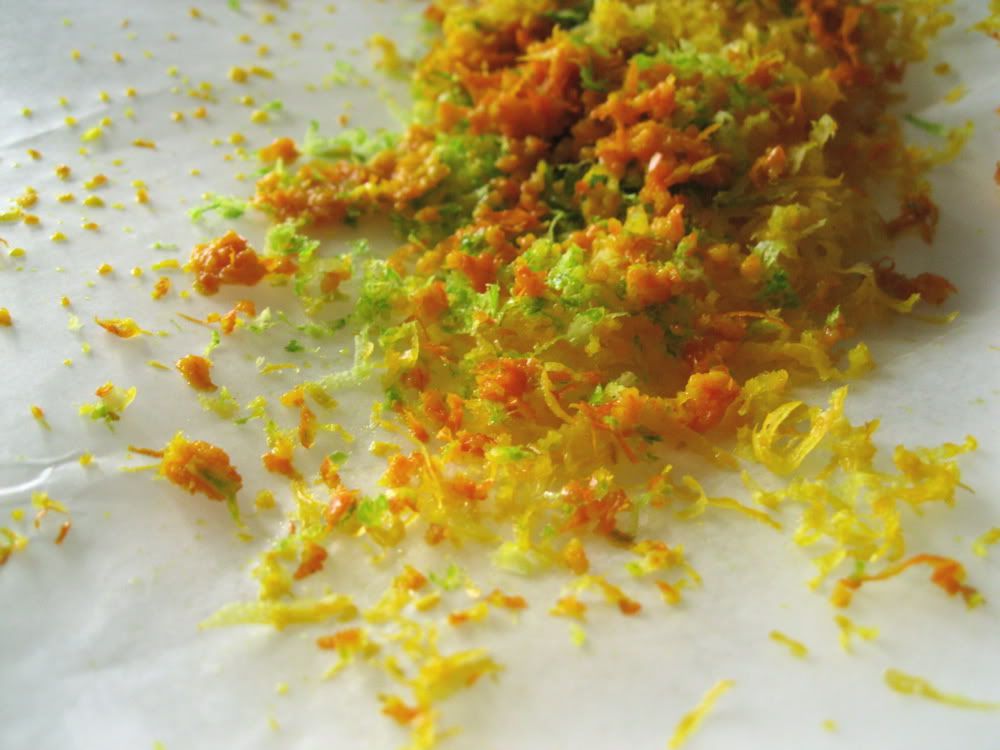
Meyer lemon, Persian lime, and Moro orange zests.

Not only will you dirty fewer dishes, but you don’t have to plan too far in advance. For instance, there’s no need to set the butter out to soften. You melt it and then let it cool, which doesn’t take very long at all. The melted butter is added as a final step — which differs from many traditional cake recipes in which softened butter is creamed with either sugar or eggs as a first step.

That one little difference makes me happy. I cannot count the times I’ve started to bake a cake only to realize the butter is still very, very cold.

I followed the recipe as written, except I used the zest from three fruits — Meyer lemon, Persian lime, and Moro orange. While the cake was in the oven, I juiced the fruit and made a lemon, lime and orange curd in the microwave using the super easy recipe Lemon Curd for the Easily Distracted.

And there you have it. A simple but elegant pound cake made with a minimum of fuss.

Today’s Lemon Loaf Cake is being hosted by Truc at Treats and Michelle of The Beauty of Life. Visit their blogs to get the recipe. While you’re at it, visit the sites of other Tuesdays with Dorie bloggers.
 

Tuesday, April 3, 2012

Pizza Rustica with Cheese and Pesto for Tuesdays with Dorie

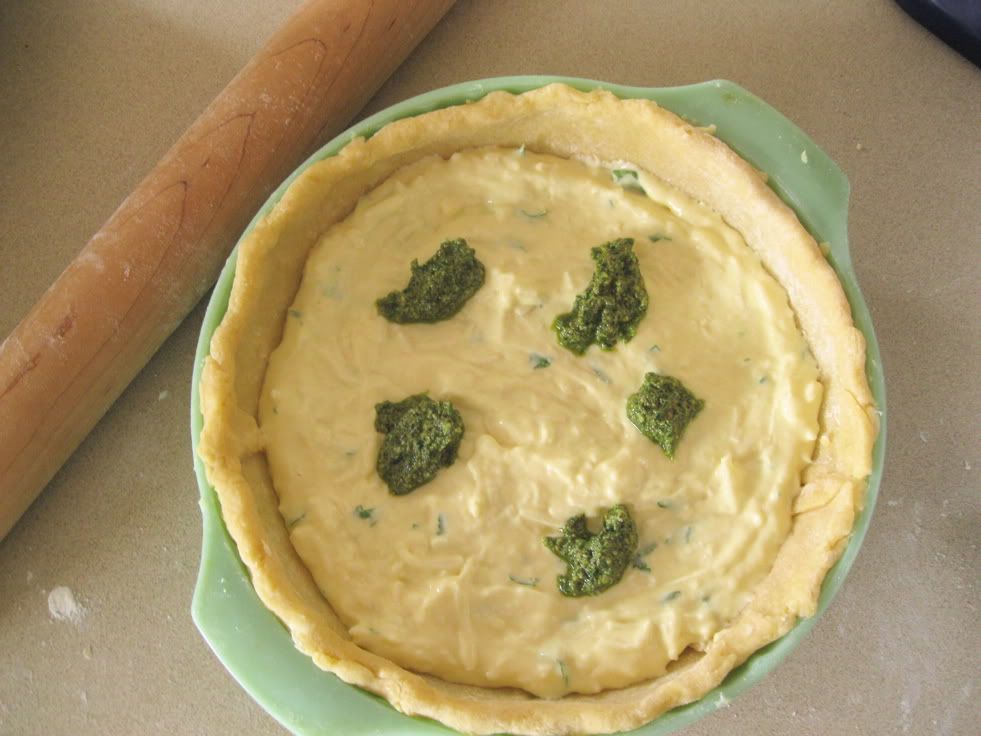
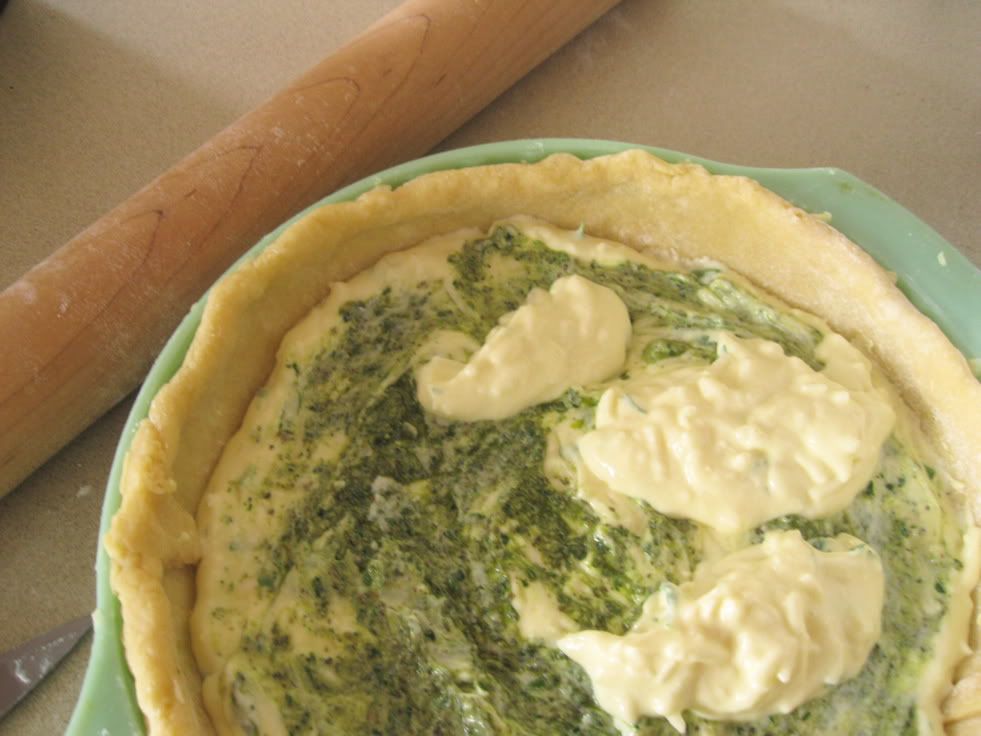
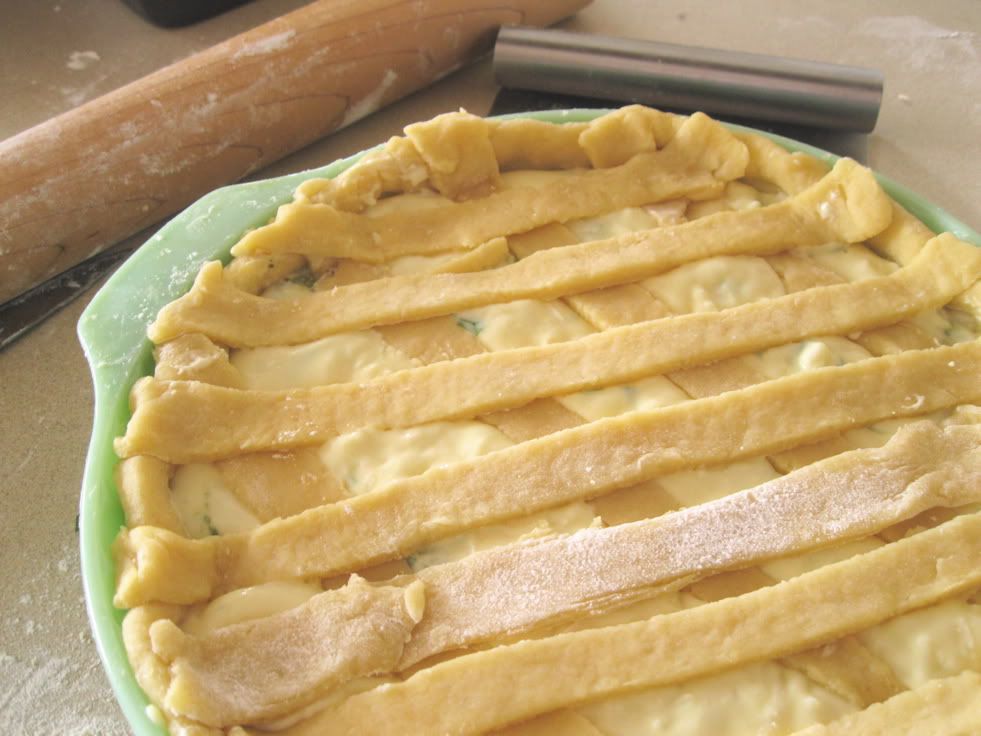
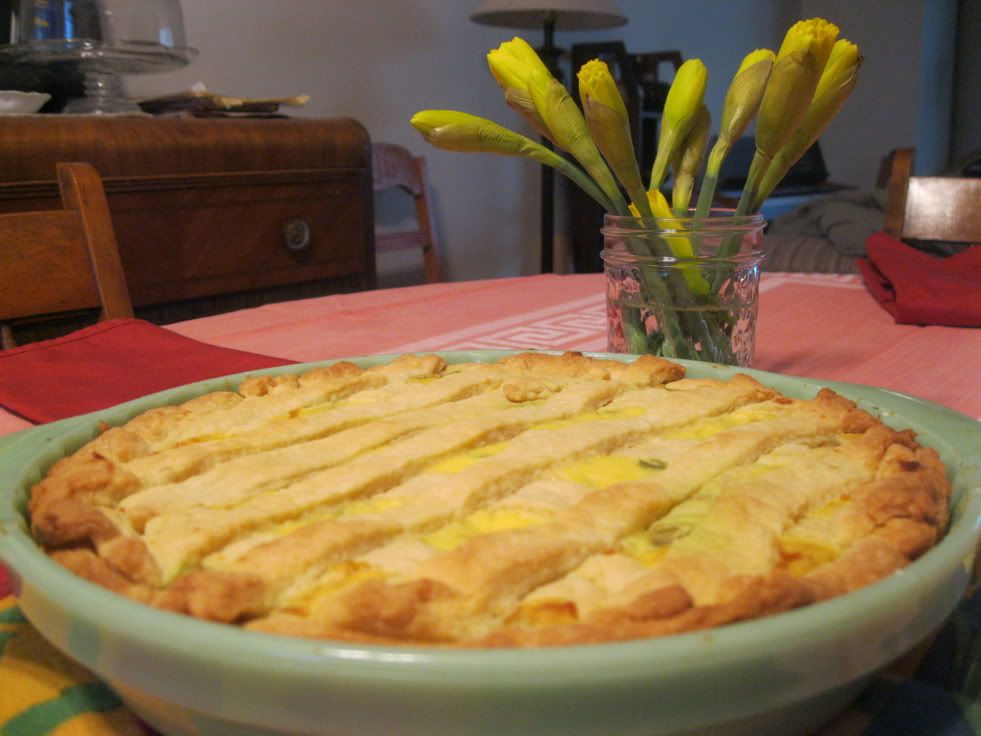
Pizza Rustica filled with ricotta, mozzarella and pesto

For years I put off making Pizza Rustica, avoiding what I thought was a high maintenance ordeal. I’m not sure where I got that idea because this was one of the easiet pies I’ve ever made, savory or sweet.

I know you’re thinking this doesn’t look like pizza, but this deep-dish, lattice-topped pie is Neapolitan in origin. The fillings might include all cheese, or a combination of meats, or vegetables such as spinach and chard. For my vegetarian household, I omitted the recipe’s proscuitto, and added more mozzarella. I also spread a layer of spinach-basil pesto between the filling.

The pastry crust is pasta frolla — an Italian tradition that calls for flour, butter, sugar and egg. It was a joy to work with — yes, I meant to use that word. Not touchy and overly sensitive. Amiable.

While you might think a savory filling would not work with this slightly sweet crust, trust me, the combination is very tasty. And I think the time is right for such a flavor contrast, what with the popularity of sweet-salty partnerships cropping up in the blogosphere and elsewhere.

I will definitely make this recipe again, experimenting with fillings. I can’t wait to use the pasta frolla in a pie of summer fruit.

This Baking with Julia recipe is from pastry chef and author Nick Malgieri. The recipe is hosted by Emily of Capital Region Dining and Raelynn of The Place They Call Home so go on over there and see how to make your own. Click right here to see the works of 300-some participating Tuesdays with Dorie bakers.


Tuesday, March 20, 2012

TWD: Soda Bread with Kamut Wheat

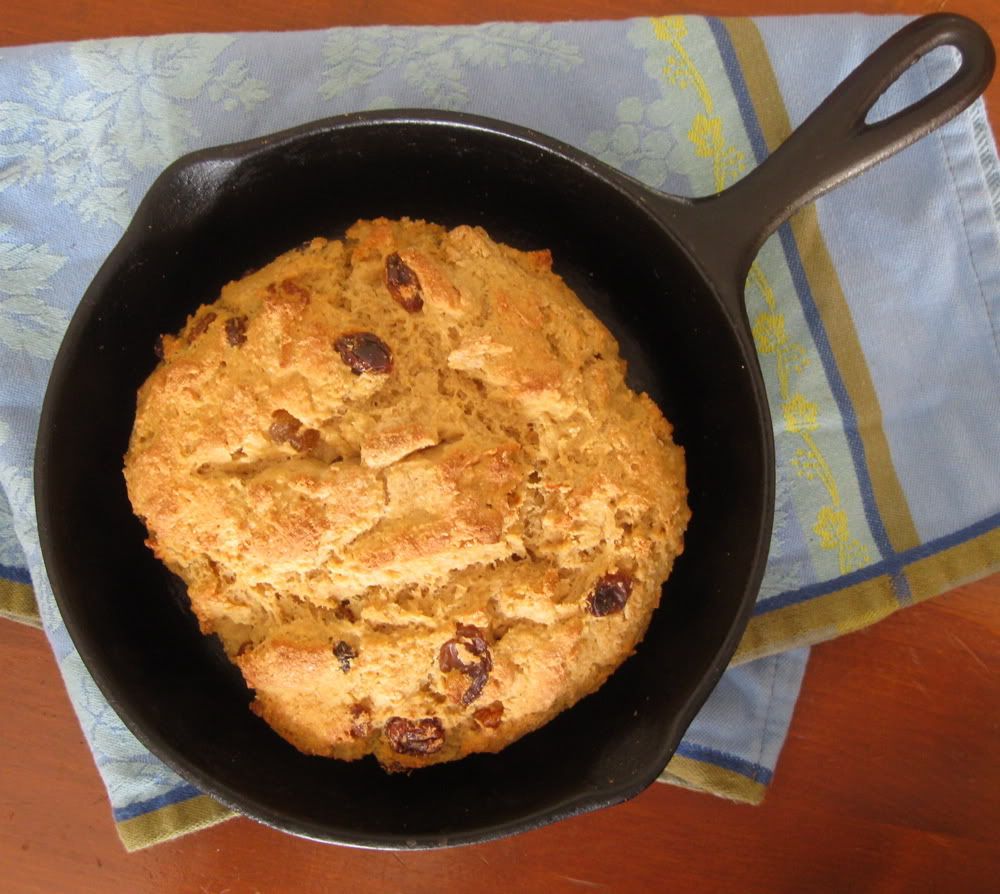
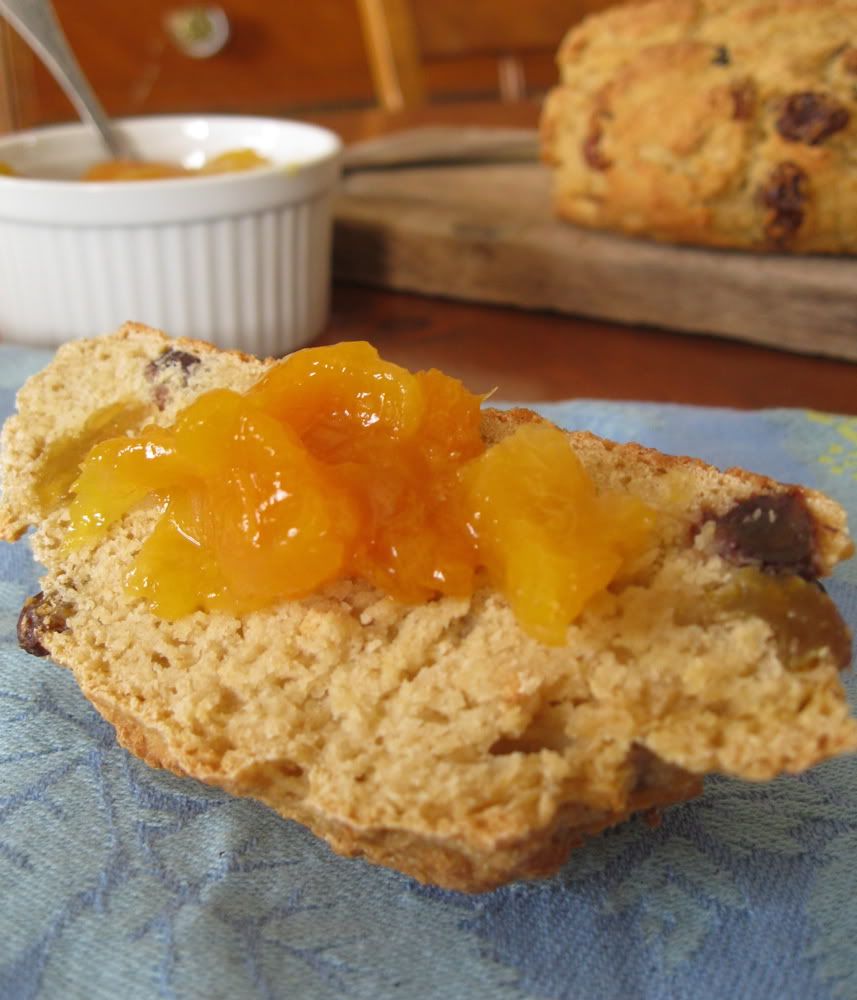
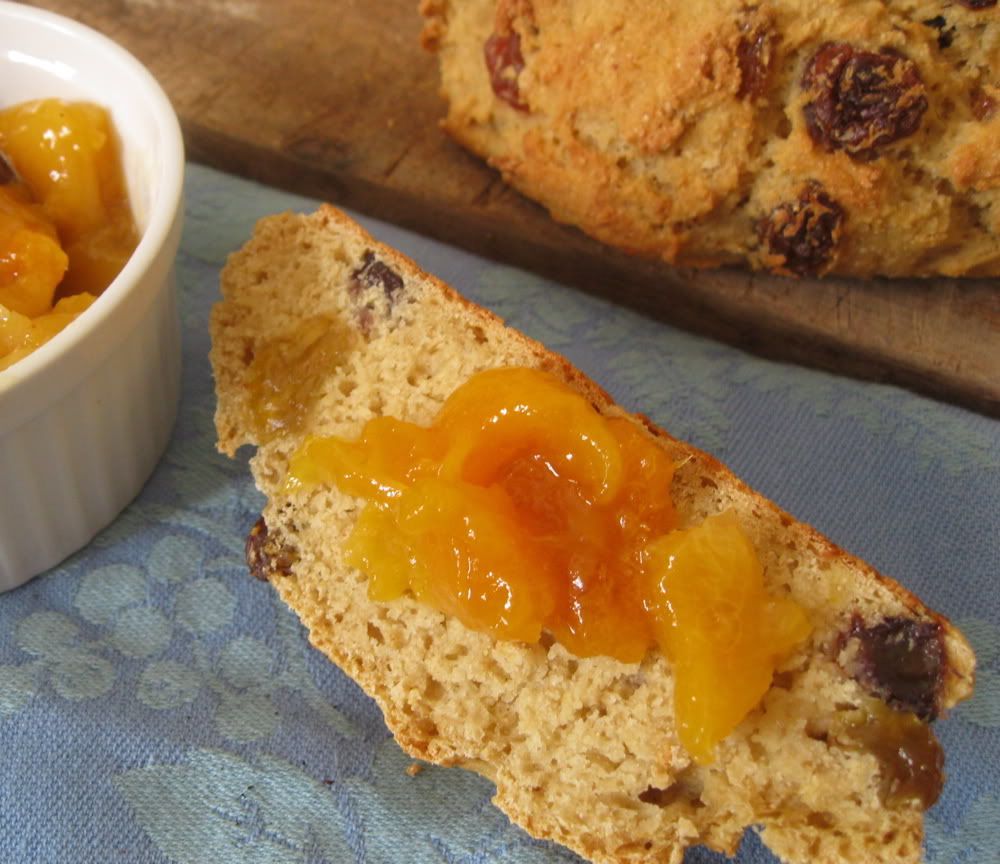
Irish Soad Bread made with Kamut flour and raisins

Soda bread is fast, foolproof and always rewarding. The pleasure of a slice of plain soda bread all toasty and warm is exceeded only by a slice with butter and jam.

I’ve been making soda bread — traditional as well as gussied up versions — for years. I thought this Baking with Julia recipe by Marion Cunningham was a good time to try a grain that’s new to me: Kamut khorasan wheat.

This is not your typical wheat, but an old-country relative of the everyday variety. Kamut is not the type of wheat, but a registered brand the company says guarantees certain attributes of this special  wheat.

And what are the special attributes? Not only are the grains significantly larger than that of regular wheat, but they carry more nutrients. This is according to plant scientist Robert M. Quinn whose family developed the wheat from a few grains that hitched a ride from Egypt after World War II. If you follow this link to Quinn’s paper, you can read the wheat’s interesting history.

Because Kamut is not particularly high maintenance when it comes to cultivation and thus is quite suitable for sustainable agriculture. It produces a high quality harvest without reliance on chemical fertilizers and pesticides.

As for flavor, it bakes up sweeter than traditional whole wheat flour, which as you know can be a tad bitter. Kamut is said to be more easily digested than common wheat, though it does indeed contain gluten and should not be consumed by persons with celiac disease.

It made a fine soda bread. I followed Marion Cunningham’s recipe, substituting whole Kamut flour for all purpose. I also added a handful of raisins soaked in orange juice.

If you’d like to see the recipe, visit our hosts’ blogs: Cathy of My Culinary Mission and Carla of Chocolate Moosey. Check back on April 3 for the next Tuesdays with Dorie recipe.


Tuesday, February 7, 2012

TWD: Baking with Julia - White Loaves

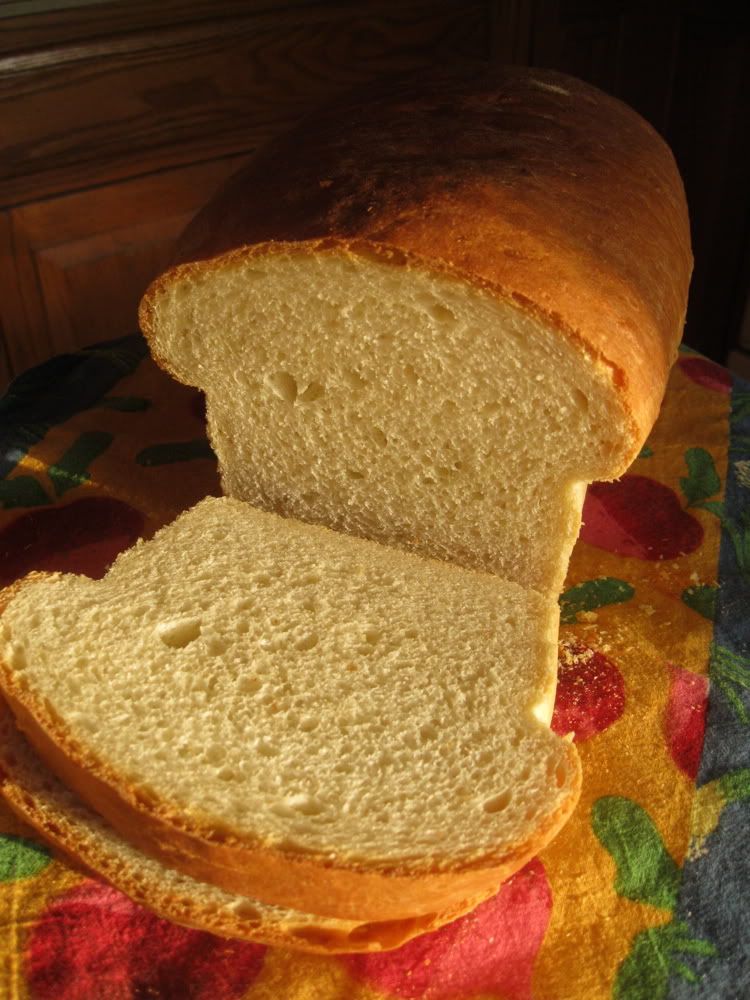
White Loaf for TWD: Baking with Julia
I’m so happy to be joining Tuesdays with Dorie. In the new series some 300 bloggers will explore Baking with Julia, the companion book to Julia Child’s PBS television program that featured guest bakers and their recipes. The book is Dorie Greenspan’s baby in that she wrote introductions to each recipe and edited the entire collection.

We begin with a simple loaf of white bread from chef Craig Kominiak. This is not a flimsy, soft white pillow. It is a sturdy yet tender crumb surrounded by a toothsome crust. A real loaf of bread. We loved it toasted with scrambled eggs piled on top, and it was just right alongside a hearty soup. My husband recommends it with peanut butter.

This is an entirely manageable recipe for busy people. You can prepare and bake this bread all in the span of a few hours. Start at breakfast, have it for lunch. Start at lunch, have it for teatime or supper. Start when you get home from work and it’s done by bedtime. The next morning you have toast for breakfast.

I’ve made the recipe twice already. Once mixed, the dough needs a 45-minute rise. Then you just punch it down, roll into shape and nestle into a buttered loaf pan. Let it rise for another 45 minutes or so. Bake for 35 to 45 minutes and you’re done. Then wait patiently for your reward.

If you’ve always wanted to make your own basic loaf of white bread, now’s a good time to begin. Take a look at the recipe on the blogs of today’s hosts, Laurie at slush and Jules at Someone’s in the Kitchen.


Related Posts Plugin for WordPress, Blogger...